Irvine highlight
Master-planned city known for safety, parks,
Irvine was incorporated in 1971 as a master-planned community designed by architect William Pereira, with distinct villages connected by arterial roads and separated by parks and greenbelts.
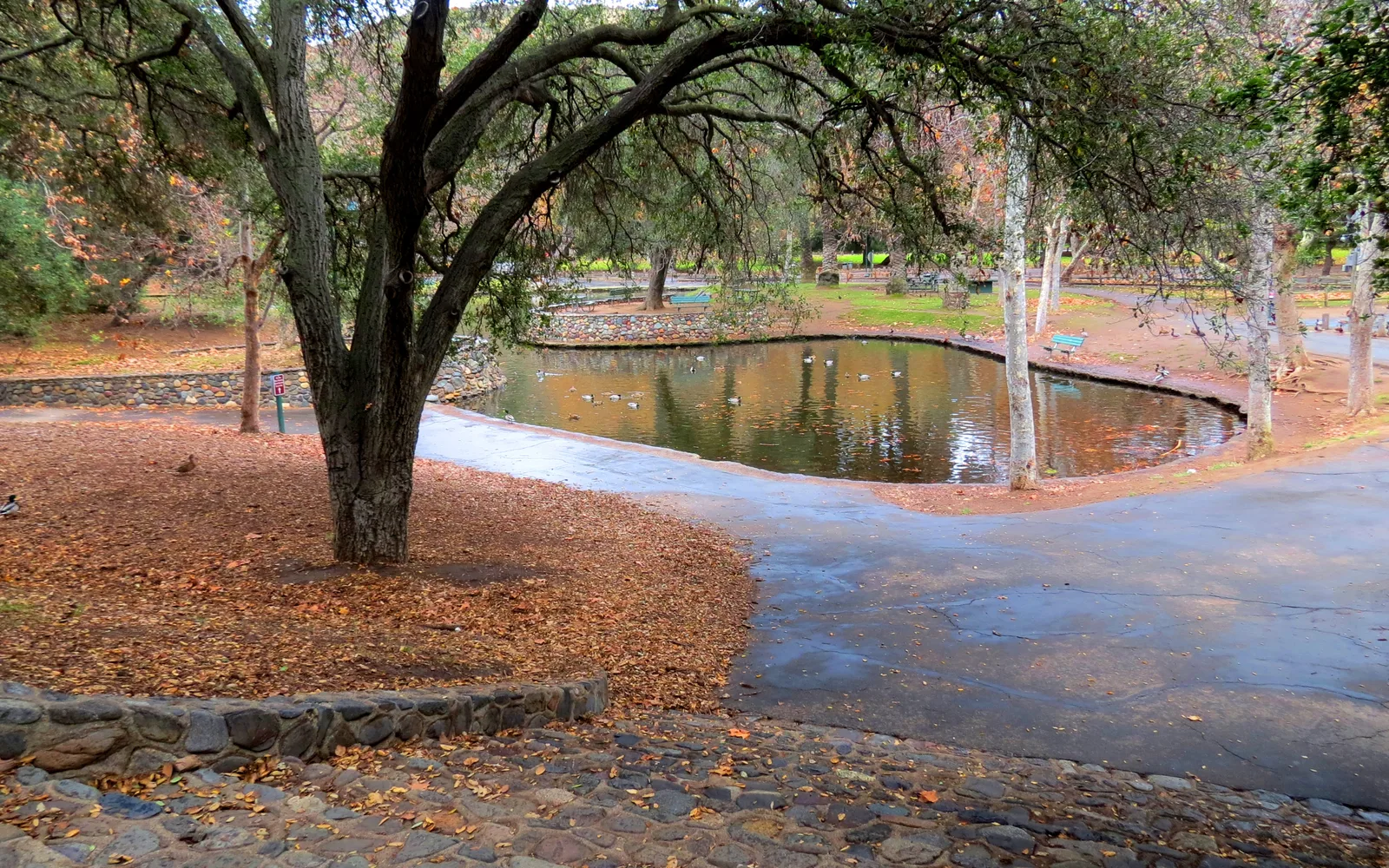
Irvine's master plan began in the late 1950s when William Pereira, a Los Angeles architect, worked with the Irvine Company to design a new kind of city. The plan divided the community into villages, each with residential neighborhoods, schools, religious institutions, and commercial centers, connected by tree-lined arterial roads and separated by landscaped greenbelts. When Irvine was formally incorporated on December 28, 1971, it was envisioned to house 50,000 residents—a deliberate, contained scale, not an unplanned sprawl.
Today, Irvine spans more than 66 square miles with over 300,000 residents, and the village structure still defines daily life. The reclaimed-water system that was part of the original master plan still irrigates the parks and greenbelts. Walking or biking through Irvine means moving through designed transitions—from home to neighborhood center to regional amenities—rather than encountering abrupt commercial strips or industrial zones. This intentional design is partly why Irvine consistently ranks high in safety and livability surveys.
A master-planned community is built on foresight: the planner's foresight about where schools and parks should be, about traffic flow and green space. Families who choose Irvine are also making foresight choices—where to live, what schools their children will attend, what kind of neighborhood they want to grow old in. Life insurance is the same kind of choice: a fixed amount that would be there for the people who depend on you, leaving nothing to chance.